How To Build A Foundation Of A House?
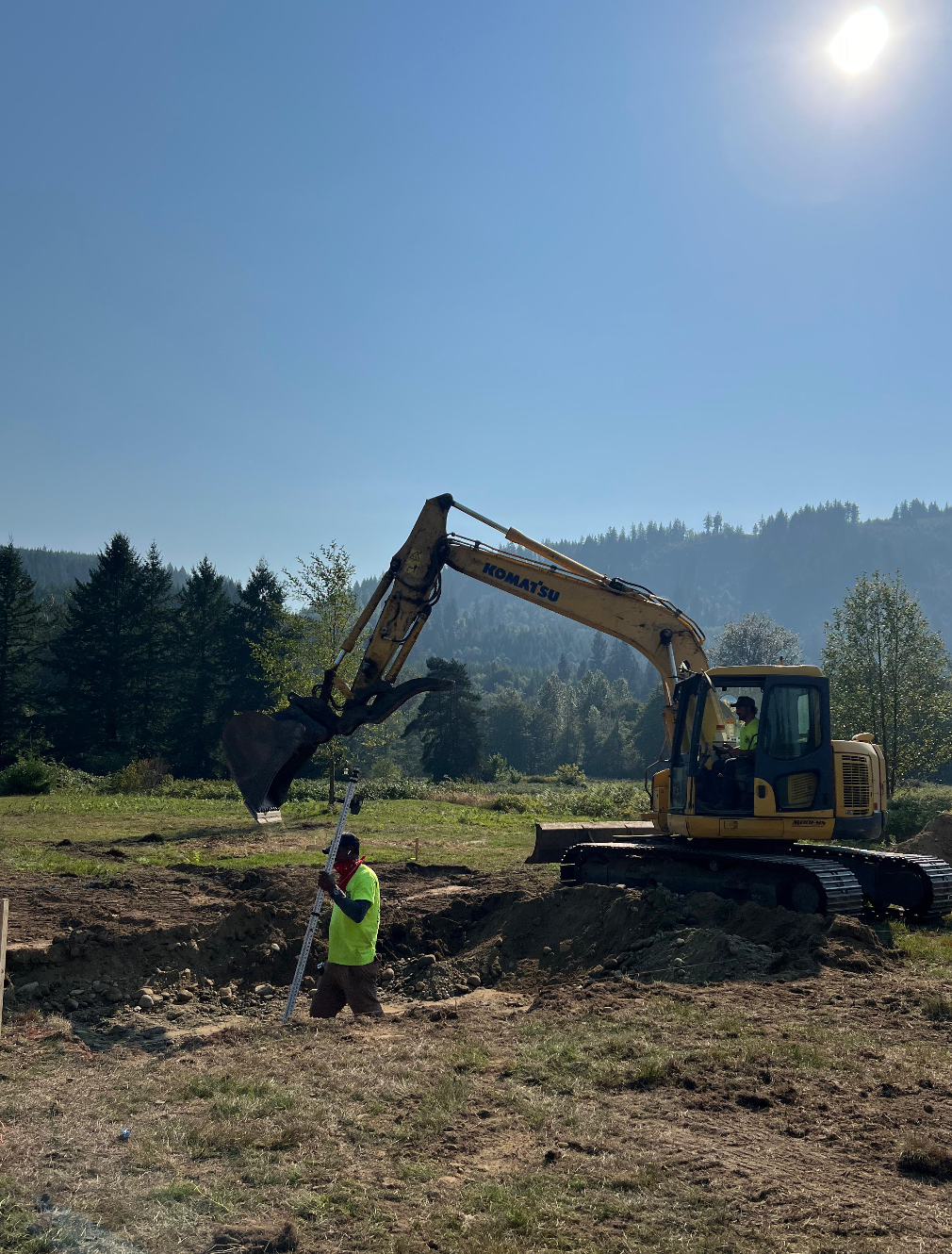
Understanding how to build a foundation of a house is essential because the foundation controls structural load, soil movement, and long-term stability. This guide from Tremor Excavation & Septic is intended for homeowners, builders, and property owners planning new residential construction or foundation excavation projects.
Key Takeaways
- A house foundation supports the entire structure and prevents cracking, settlement, and long-term damage.
- Foundation type matters: slab, crawl space, or basement should be chosen based on soil, climate, and building design.
- Proper planning comes first, including soil evaluation, permits, and compliance with local building codes.
- Proper foundation construction follows a fixed sequence from excavation to backfilling.
- Drainage, compaction, and frost-depth compliance determine long-term foundation durability.
What Is A House Foundation?
A house foundation is the structural base that transfers the weight of the building into the ground. This load-bearing system supports walls, floors, and framing while maintaining long-term stability.
Proper foundation construction prevents movement caused by soil pressure, moisture changes, and seasonal freeze-thaw cycles. Every concrete foundation for a house must be designed according to soil conditions, climate, and building requirements.
Types Of House Foundations
Different types of house foundations are used based on soil strength, climate, and building design. Choosing the correct foundation system improves durability, safety, and long-term performance.
Slab Foundation
A slab foundation is a single concrete slab poured directly on prepared soil. Slab foundations are best suited for stable, well-draining soils in warm climates where frost penetration is minimal. This foundation type offers lower construction costs and faster installation compared to other systems.
Crawl Space Foundation
A crawl space foundation elevates the home above ground using foundation walls and interior piers. Crawl space foundations are commonly used in areas with moderate moisture levels where plumbing access and ventilation are required. This foundation design allows airflow, plumbing access, and moisture control beneath the floor structure.
Basement Foundation
A basement foundation creates usable space below the home using reinforced concrete foundation walls and footings. This foundation type increases living or storage space and impacts the basement excavation cost based on depth, soil conditions, and drainage requirements. Proper engineering ensures stable load distribution and long-term structural performance.
What You Need Before Building A Foundation
Successful house foundation construction begins before excavation. Proper planning and site readiness determine long-term foundation strength and performance.
Site Selection & Soil Conditions
Soil stability directly affects foundation durability. Soil bearing capacity, drainage patterns, and slope must be evaluated before digging begins. Poor soil conditions may require deeper footings, soil stabilization, or reinforced foundation designs. Professional site evaluation and soil testing help determine bearing capacity and required foundation depth.
Permits, Codes & Planning Requirements
Local building codes regulate foundation depth, reinforcement standards, and inspection schedules. Permits ensure foundation installation meets safety and engineering requirements. Building without approval can result in fines, delays, or forced reconstruction.
Step By Step: How To Build A House Foundation
This section explains how to build a foundation of a house using the standard construction sequence followed by professional contractors.
Step 1: Layout Marking & Excavation
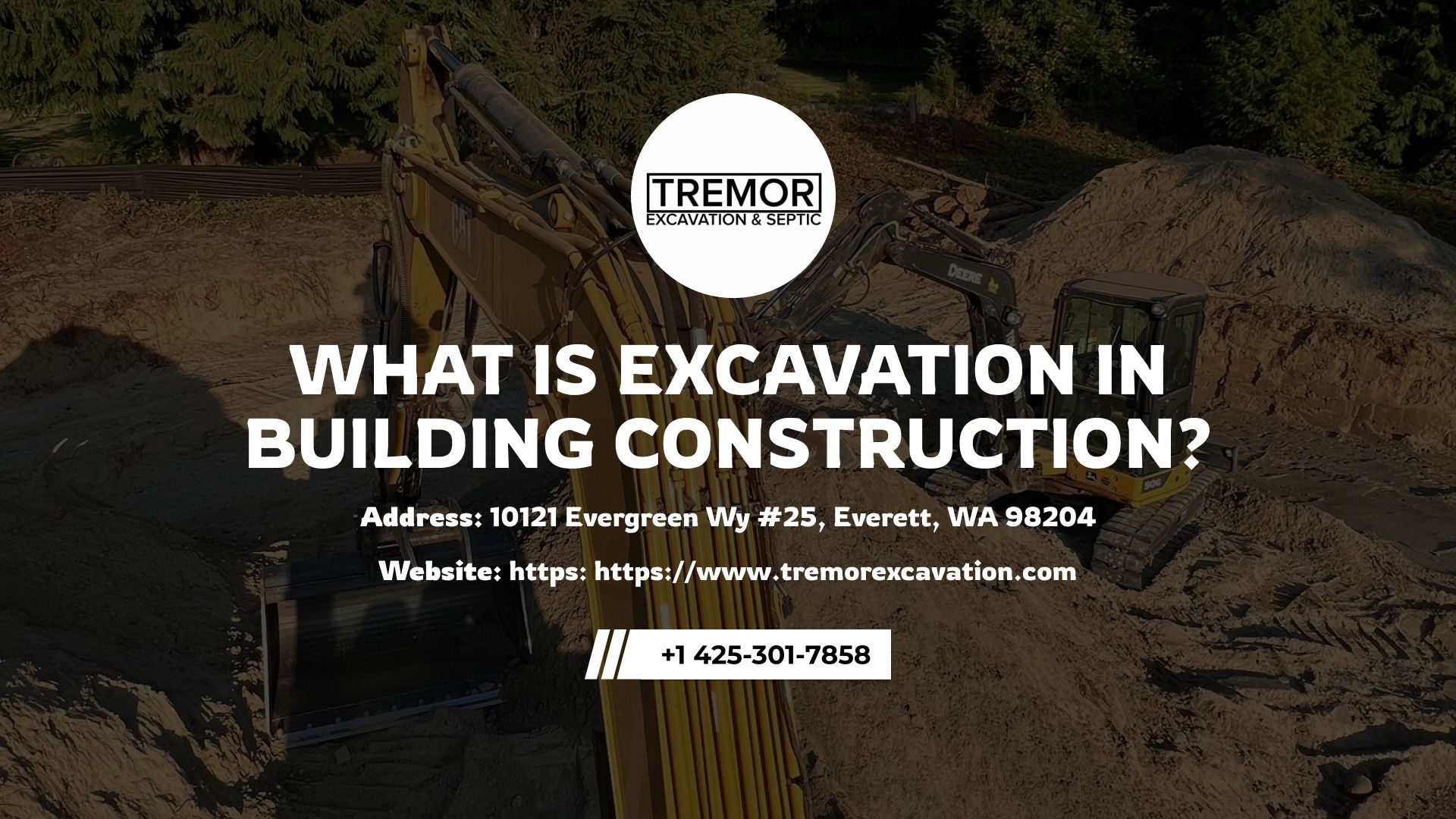
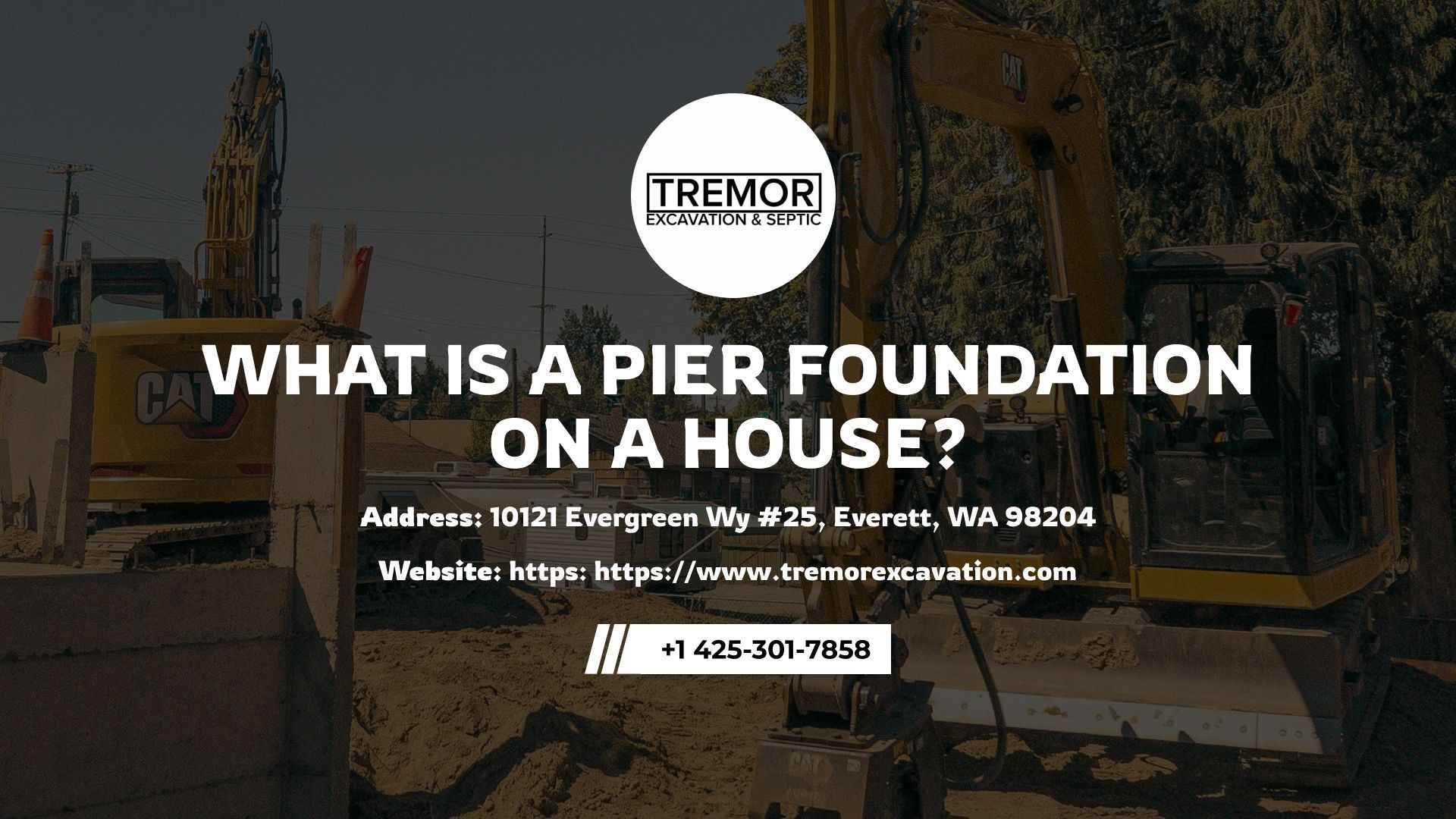
Contractors mark the foundation layout using string lines and stakes. Excavation removes soil to the required depth based on foundation plans and local frost line requirements.
Step 2: Installing Footings
Concrete footings are poured at the base of the excavation. Footings distribute structural loads across the soil and must extend below the local frost line, typically 12 to 48 inches, to prevent freeze-thaw movement and uneven settlement. Proper footing width and depth ensure long-term stability.
Step 3: Formwork & Reinforcement
Wood or metal forms shape the foundation while steel rebar reinforcement strengthens the concrete. Reinforcement controls cracking and improves load resistance within the foundation structure.
Step 4: Pouring Concrete
Concrete is poured into forms and leveled to exact elevations. Proper concrete placement and curing ensure uniform strength by allowing the concrete to reach sufficient compressive strength before structural loads are applied.
Step 5: Building The Foundation Base
Foundation walls or slabs are constructed above the footings to complete the structural base. This stage completes the structural base that supports walls, framing, and roofing systems.
Step 6: Drainage & Moisture Protection
Drainage systems include gravel layers, perimeter drains, and waterproofing membranes. Moisture protection prevents hydrostatic pressure and foundation deterioration. Without proper drainage, hydrostatic pressure can build against foundation walls, leading to long-term cracking and water intrusion.
Step 7: Backfilling & Final Grading
Soil is compacted around the foundation walls. Final grading directs water away from the foundation to prevent erosion and moisture intrusion.
What Is The Requirement Of A Good Foundation?
A quality foundation for building a house must meet these requirements:
- Proper load distribution based on soil bearing capacity
- Long-term structural stability under vertical and lateral loads
- Resistance to moisture intrusion through drainage and waterproofing
- Durability against freeze-thaw cycles in cold climates
- Adequate foundation depth below the local frost line
Meeting these requirements prevents common foundation problems and structural failure.
Book Your Foundation Dig Service Today
Professional excavation ensures foundation layouts, depths, and soil preparation are completed correctly. Tremor Excavation & Septic provides foundation digging services for residential construction projects. Contact our team to schedule a site evaluation.
FAQs
How deep should a house foundation be?
House foundation depth depends on soil strength, frost line depth, and local building codes. Most residential foundations range from 12 to 48 inches.
What type of foundation is best for a house?
The best foundation depends on soil conditions, climate, and home design. Slab, crawl space, and basement foundations each serve different needs.
Why are footings important in a foundation?
Footings distribute building loads evenly into the soil, preventing uneven settlement and cracking.
How long should concrete cure before building walls?
Concrete typically cures for 7 days before light construction begins. Full strength develops after 28 days.
What causes foundation failure?
Common causes include poor drainage, weak soil compaction, improper reinforcement, and incorrect foundation installation.