Basement Excavation Cost – What To Expect & How To Avoid Overpaying
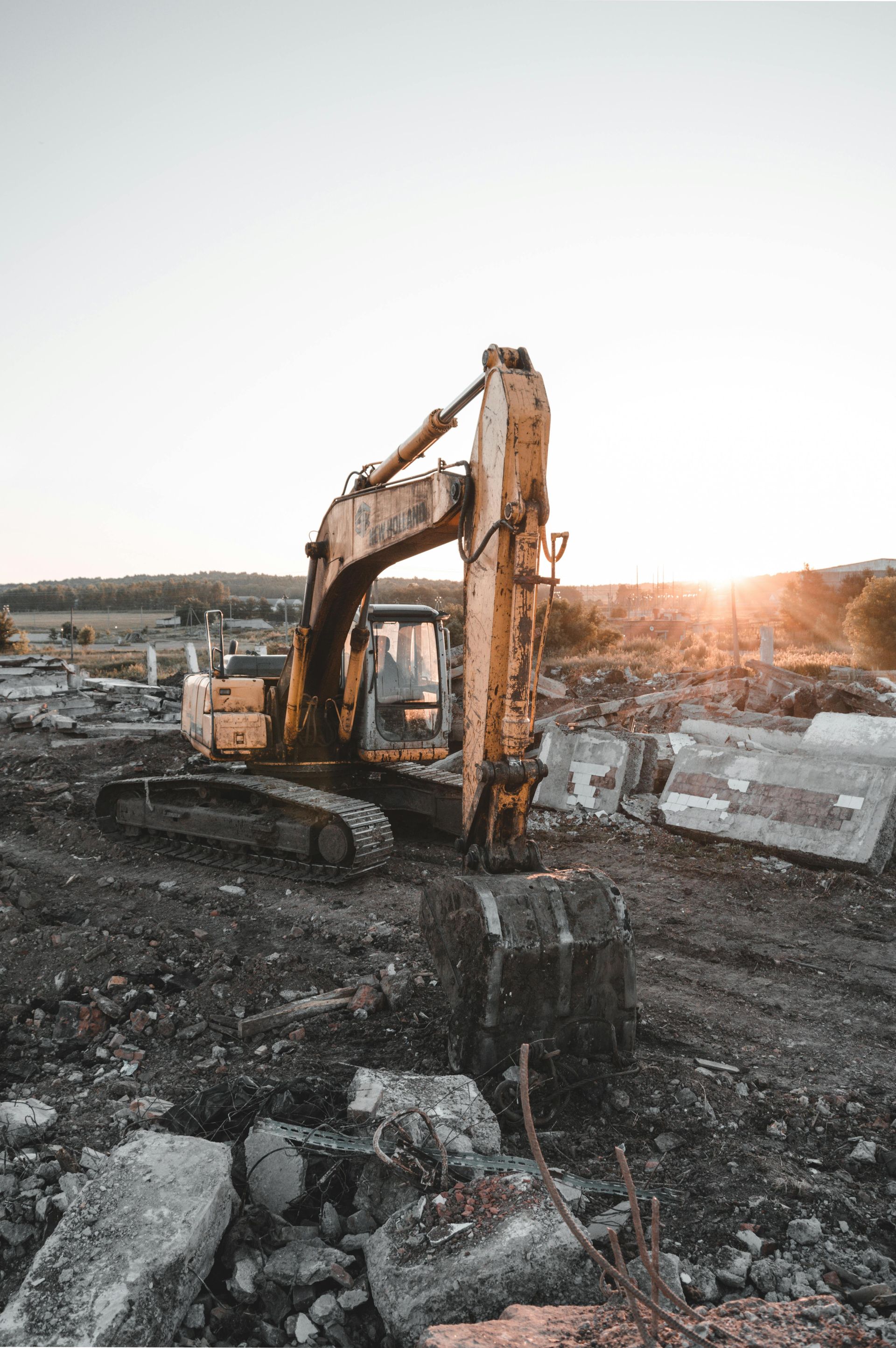
Basement excavation cost depends on soil conditions, excavation depth, site access, and structural support needs. Each property presents different challenges that affect scope, sequencing, and construction risk. Understanding these factors before hiring a contractor is critical.
This guide from Tremor Excavation & Septic helps homeowners understand the cost to dig a new basement for new construction, set expectations, and avoid costly mistakes.
Key Takeaways
- Basement excavation cost typically ranges from $15,000 to $60,000, depending on project size and soil volume.
- Foundation excavation stages include site preparation, soil removal, hauling, and structural stabilization.
- Cost per cubic yard often ranges from $30 to $75, excluding bracing and permits.
- Temporary bracing and underpinning can add $5,000 to $25,000 to the total excavation cost.
- Cost savings come from clear scope definition, soil reuse, and contractor comparison.
Differences Between Basement Excavation Vs. Crawl Space Conversion
Basement excavation and crawl space conversion serve different structural goals. The comparison below helps homeowners understand which option fits the property conditions, particularly in homes built on
pier foundation systems.
| Comparison Factor | Basement Excavation | Crawl Space Conversion |
|---|---|---|
| Excavation depth | Requires deep soil removal to achieve full basement height | Requires limited digging below an existing crawl space |
| Structural impact | Requires underpinning, temporary supports, and load redistribution | Requires minor structural adjustments to the existing foundation |
| Plumbing changes | Involves plumbing relocation and drain system reconfiguration | Usually requires minimal plumbing modification |
| Foundation work | Includes slab pouring, wall reinforcement, and footing extension | May include slab installation without major wall changes |
| Access limitations | Restricted access increases equipment and labor constraints | Easier access with smaller excavation equipment |
| Code requirements | Must meet egress, ceiling height, and habitable space standards | Often not classified as habitable living space |
| Construction complexity | High complexity with engineering oversight | Moderate complexity with lower structural risk |
Conclusion: Basement excavation creates full height usable space but demands higher structural control and planning. Crawl space conversion suits properties needing improved access or utility space with lower construction complexity.
Basement Excavation Cost
Basement excavation cost is commonly quoted using standard industry ranges. Contractors often charge $120 to $250 per hour, depending on equipment size and labor needs, so the excavation cost for foundation work is not a fixed price. In regions with restrictive access, high groundwater, or clay-heavy soil, excavation costs often trend toward the upper end of these ranges. The factors below explain why basement excavation estimates can vary significantly between projects.
Project Size And Dig Depth
Basement excavation cost increases with square footage and excavation depth. Deeper and wider excavations require more soil removal, hauling, and structural control.
Project Type
Excavation scope varies by project type. New construction excavation is more predictable. Basement deepening and digging under existing homes require staged excavation and structural protection.
Soil Type And Site Conditions
Soil composition directly affects excavation speed and safety. Clay soil slows progress due to moisture retention. Sandy soil increases collapse risk and requires shoring. Rocky terrain demands specialized equipment and extended timelines.
Access And Equipment Constraints
Limited access forces contractors to use smaller machines or manual labor. Narrow lots, fencing, and neighboring structures increase labor hours and equipment repositioning.
Raising Or Bracing The Home
Some basement excavation projects require house lifting or underpinning. Structural bracing stabilizes foundation walls and prevents settlement during soil removal.
Plumbing And Water Control Needs
Basement excavation often exposes existing plumbing systems. Drainage installation, sump pumps, and sewer line adjustments protect against groundwater intrusion and future moisture damage.
Engineering And Permit Requirements
Structural engineering plans and building permits are required for most basement excavation projects. Engineering oversight ensures load paths remain stable and excavation sequencing follows code requirements.
Hidden Costs Homeowners Often Miss
Many basement excavation projects exceed the initial estimate due to overlooked scope items. These costs often appear after work begins and are rarely included in basic quotes.
- Soil Disposal: Excess soil removal requires hauling, dumping fees, and disposal permits that are not always itemized upfront.
- Erosion Control: Temporary barriers, silt fencing, and runoff management may be required to protect surrounding properties and meet local regulations.
- Waterproofing: Foundation walls often need sealing, membranes, or drainage layers once excavation exposes subsurface moisture conditions.
- Temporary Utility Relocation: Gas lines, electrical conduits, or water services may need rerouting to allow safe excavation access.
- Shoring Systems: Temporary shoring and support systems are required to prevent soil collapse and maintain structural stability during excavation.
- Engineering Revisions: Unexpected soil or structural findings can require updated engineering plans during excavation.
Is It Worth Digging Out A Basement?
Yes. Digging out a basement can significantly increase usable living space and overall property value. Finished basements often recoup 60-70% of the project cost at resale. Additional square footage also improves appraisal results and supports long-term functionality for growing household needs.
How To Avoid Overpaying For Basement Excavation
The cost of excavation for the foundation can escalate quickly without careful planning. The following strategies help homeowners control scope, evaluate pricing, and avoid unnecessary expenses.
- Bundle Related Work: Combine excavation with foundation, drainage, or utility work to reduce mobilization and equipment costs.
- Schedule During Off-Season: Book excavation work during slower construction months to access better availability and pricing.
- Reuse Excavated Soil: Reusing suitable soil on site reduces hauling and disposal fees.
- Request Transparent Quotes: Ask for itemized estimates that clearly separate labor, equipment, disposal, and structural work.
- Compare Multiple Contractors: Reviewing at least three licensed excavation contractors helps identify pricing gaps and unrealistic bids.
DIY Vs. Professional Basement Excavation
Basement excavation involves structural risk, heavy machinery, and strict code requirements. The comparison below explains why this type of work is rarely suitable for DIY execution.
| Comparison Factor | DIY Basement Excavation | Professional Basement Excavation |
|---|---|---|
| Structural safety | High risk of wall movement or collapse without engineered support | Uses engineered shoring, underpinning, and load control |
| Equipment access | Limited to rented or manual tools | Uses commercial excavators, shoring systems, and hauling equipment |
| Technical expertise | No structural or soil engineering oversight | Managed by licensed contractors with excavation experience |
| Permit compliance | Permits and inspections are often missed or misfiled | Permits, inspections, and code compliance are handled correctly |
| Project timeline | Extended timelines due to inexperience | Efficient sequencing reduces delays and site exposure |
| Liability and risk | Homeowner assumes full safety and damage liability | Contractor carries insurance and assumes project liability |
Conclusion: Professional basement excavation provides structural protection, regulatory compliance, and controlled execution. Choosing a licensed excavation contractor reduces safety risks, prevents costly mistakes, and protects long-term foundation stability.
The Right Residential Excavation Contractor Near Me
Choosing the right excavation contractor makes a major difference in cost control and construction safety.
Tremor Excavation & Septic delivers expert
excavation services in Washington, with transparent pricing, local expertise, and proven execution standards.
Contact us today to discuss project conditions and receive a clear, informed evaluation before work begins.
FAQs
What does it cost to excavate a basement?
Basement excavation cost usually ranges from $15,000 to $60,000. Cost depends on soil volume, depth, access, and structural support needs.
How do you calculate the cost of excavation?
Excavation cost is calculated by multiplying cubic yards of soil by the price per cubic yard, then adding labor, equipment, and disposal fees.
How much does it cost to frame a 2000 sq ft basement?
Basement framing cost for 2,000 square feet ranges from $15,000 to $30,000, depending on wall layout and material selection.
What is the most expensive part of finishing a basement?
The most expensive basement finishing elements include framing, egress windows, waterproofing, and HVAC integration.
What adds the most value to the basement?
Finished living space, legal bedrooms, bathrooms, and walkout designs add the highest basement value.